

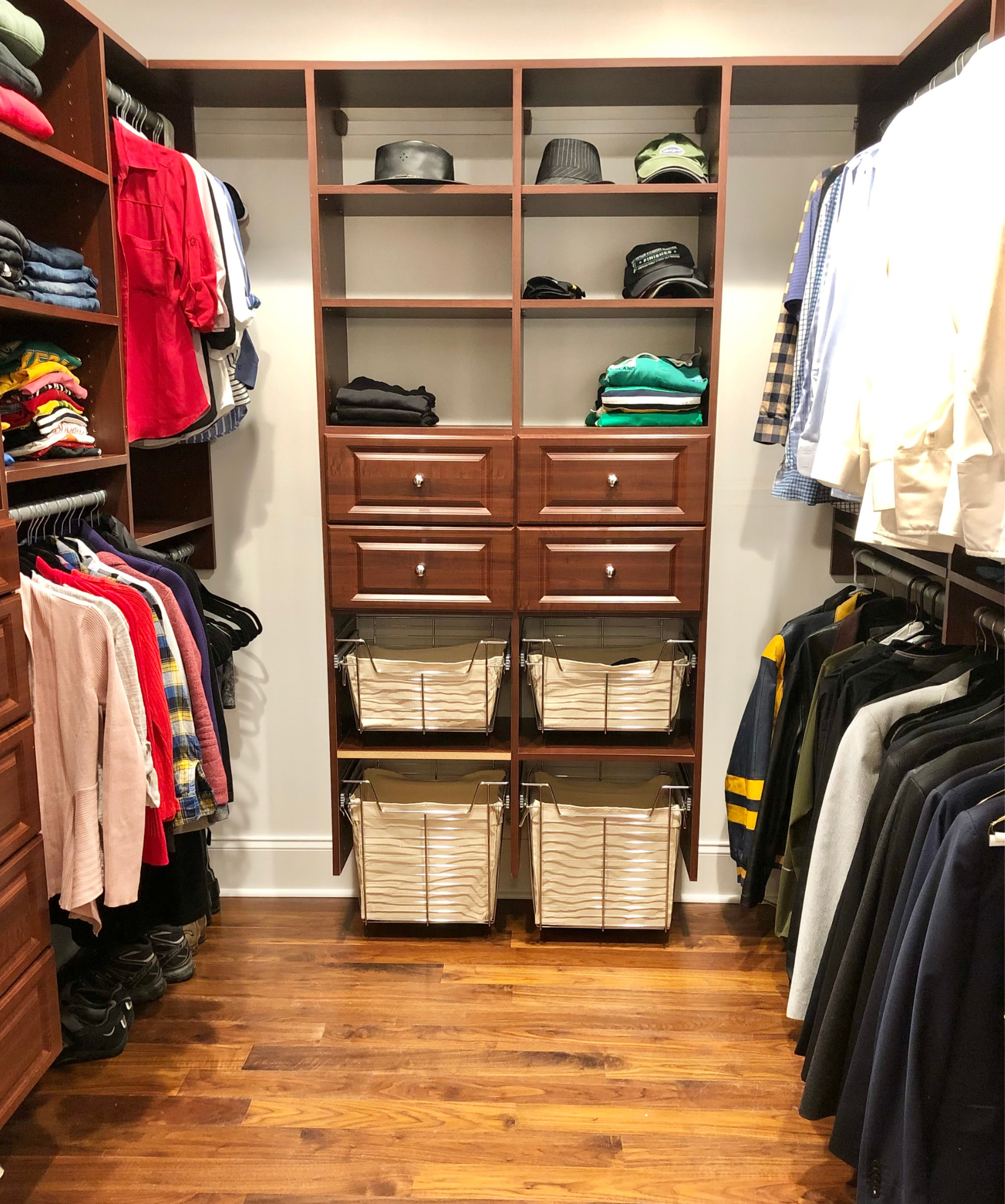
 You invested in a beautiful home. You have a trusted housekeeper — perhaps even a full household staff — who keeps things running. And yet, every time you open the doors to your walk-in closet, you’re met with the quiet frustration of disorder.
Blazers grouped by no discernible logic. Cashmere sweaters stacked unevenly, one wrong pull away from an avalanche. Shoes that belong to a system no one can explain. Dry-cleaning that has been returned and rehung but somehow ends up in the wrong section every single time.
If this sounds familiar, you are far from alone — and the problem almost certainly has nothing to do with your housekeeper’s work ethic. The hidden organizational gap that even the most well-staffed homes face, and how to fix it for good.
The Real Problem Is a Missing System
Housekeepers are skilled professionals in cleaning, maintaining, and managing the day-to-day operations of a home. What they are rarely trained in — and what is almost never provided to them — is a clear, logical, personalized organizational system for a high-volume wardrobe.
Without an explicit framework, even the most diligent housekeeper is left to improvise. Returned items get placed somewhere that seems reasonable in the moment. Seasonal pieces get folded however there’s room. Categories shift subtly week after week until the entire wardrobe has quietly drifted from order into ambiguity.
This is not a failure of effort. It is a failure of infrastructure.
A Few Solutions Worth Considering
Before calling in professional help, there are a few strategies worth attempting on your own — and understanding why they often fall short will help clarify what a longer-term solution actually requires.
Create a Visual Map of Your Closet
One immediate step is to produce a physical or digital diagram of your closet that designates exactly where each category of clothing belongs. Divide the space into labeled zones: formal wear, business attire, casual, athletic, outerwear, and so on. Add subsections for color sequencing if that matters to you. Post this map in a discreet but accessible location — inside a cabinet door, for instance — so your housekeeper can reference it after every laundry and dry-cleaning return.
The challenge here is that most people lack the expertise to design a system that genuinely accounts for their wardrobe’s volume, variety, and how they actually dress. A map built on flawed logic simply relocates the problem.
Invest in Uniform Storage Systems
Mismatched hangers, overcrowded shelving, and inconsistent folding methods all contribute to visual and functional chaos. Switching to a single hanger type, standardizing shelf dividers, and establishing consistent folding protocols for knitwear, denim, and accessories can dramatically improve maintainability.
Again, however, the system must be designed before the products are purchased — not the other way around. Buying matching velvet hangers without first addressing the underlying organizational logic is simply decorating a problem.
Establish a Weekly Reset Protocol
Rather than allowing the closet to drift over weeks and months, designate a brief weekly window — even fifteen minutes — during which your housekeeper conducts a reset check: verifying that items are in their correct zones, that nothing has been misplaced, and that returned garments are integrated properly. A simple checklist makes this routine and repeatable.
The limitation, of course, is that a checklist is only as good as the system it was built to maintain.
The Closet You Paid For Should Work for You
A wardrobe that frustrates you every morning is a quiet but persistent drain on your day. You have made significant investments in your home, your clothing, and your staff. The missing piece is the organizational foundation that allows all of those investments to pay off. Clutter Corrections is here to build that foundation — and to make sure the people who care for your home know exactly how to maintain it.
Why a Professional Organizer Changes Everything
This is where the expertise of a professional organizer — specifically one experienced with high-end residential wardrobes — becomes genuinely transformative.
A professional organizer does not simply tidy. They assess. They inventory. They design a system that is custom-built around your specific wardrobe, your lifestyle, your preferences, and the practical reality of how your household operates. And critically, they translate that system into something your housekeeper can maintain independently, consistently, and with confidence.
Ready to reclaim your closet? Contact Clutter Corrections to schedule your wardrobe consultation.