
 Teaching children to organize is not just about keeping a tidy home—it is about equipping them with essential life skills that will serve them well into adulthood. When children learn to manage their belongings and spaces early on, they develop habits that transform into a natural, organized lifestyle. Here are eight fundamental chores that lay the foundation for lifelong organizing success.
Making Their Bed
This simple morning ritual teaches children that spaces have a “finished” state. Making the bed reinforces the concept that things should be returned to order after use. Beyond the immediate visual impact, this daily practice instills discipline and creates a sense of accomplishment first thing in the morning. Children learn that organization is something you actively maintain, not something that just happens.
Putting Away Toys and Belongings
When children return items to designated spots, they are learning categorization and spatial reasoning. This chore teaches the fundamental organizing principle that everything needs a home. As they grow, this translates into knowing where important documents go, how to maintain a functional workspace, and the ability to find what they need when they need it.
Sorting Laundry
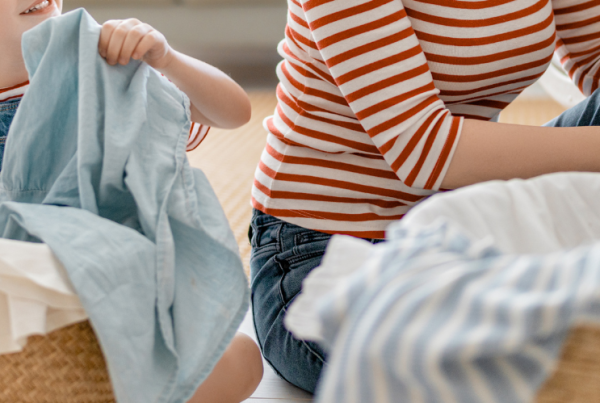
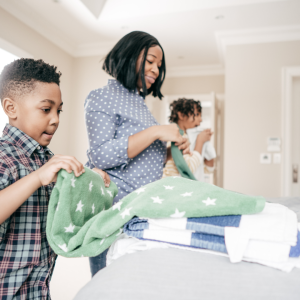
Separating lights from darks, delicates from regular items—laundry sorting is an excellent introduction to categorization systems. Children learn that similar items are grouped together and that organization often requires thoughtful decision-making. This skill transfers directly to organizing paperwork, files, digital folders, and countless other aspects of adult life.
Setting and Clearing the Table
These tasks teach sequence and routine. Children learn there is a logical order to tasks: plates before utensils, clearing before wiping down. They begin understanding that organized systems make activities flow more smoothly. This sequential thinking becomes invaluable when managing multi-step projects, planning events, or organizing their own households later in life.
Organizing Their School Materials
Managing backpacks, homework folders, and school supplies teaches children to create and maintain personal organizational systems. They learn to anticipate needs (packing the night before), prioritize items, and develop their own methods for keeping track of responsibilities. These skills directly translate to managing work projects, appointments, and personal obligations as adults.
Maintaining Their Closet or Dresser
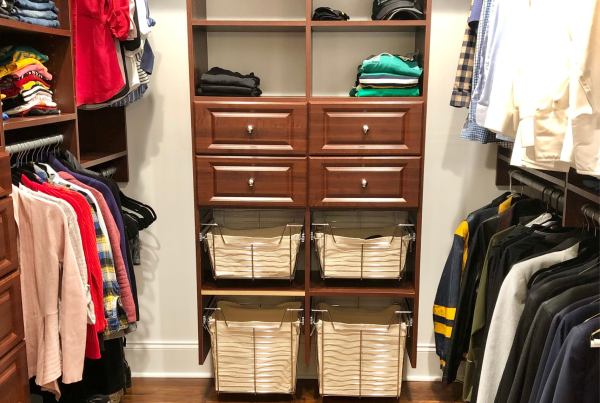
When children organize their clothing, they learn about accessibility and efficiency. Folding, hanging, and arranging clothes by type or season teaches them that thoughtful organization saves time and reduces stress. They discover that a well-organized space makes daily routines easier—a lesson that applies to every area of life.
Cleaning and Organizing Shared Spaces
Contributing to common areas like the living room or playroom teaches children that organization isn’t just personal—it is communal. They learn to consider others’ needs and understand that shared spaces require collective responsibility. This develops empathy and awareness, crucial skills for roommate situations, family life, and professional environments.
Managing Their Own Schedule or Calendar
Even young children can help track activities using visual calendars or planners. Learning to anticipate events, prepare in advance, and manage time teaches perhaps the most critical organizing skill of all: time management. Children who learn to organize their time early develop the ability to balance competing priorities, meet deadlines, and reduce last-minute chaos.
The Long-Term Impact
These eight chores do more than keep your home running smoothly—they wire children’s brains for organizational thinking. When chores become routine, organization becomes second nature rather than a stressful obligation. Children internalize the systems, understand the “why” behind organization, and carry these practices into every phase of life.
The key is consistency and age-appropriate expectations. Start small, celebrate progress, and remember that you’re not just raising helpful children—you are raising organized, capable adults who approach life with systems, structure, and confidence.